


What is the infusion volume limit setting of a vet infusion pump?
Jan 22, 2026
Leave a message
As a supplier of vet infusion pumps, I have witnessed firsthand the importance of accurately setting the infusion volume limit in veterinary medicine. The infusion volume limit setting determines the maximum amount of fluid or medication that can be delivered by the pump over a specified period. This setting is crucial for ensuring the safety and well - being of the animal patients, as improper fluid administration can lead to serious complications.
Understanding the Basics of Infusion Volume Limit
The infusion volume limit is a built - in safety feature in modern vet infusion pumps. It is designed to prevent over - infusion, which can cause fluid overload in animals. Fluid overload can lead to a variety of problems, including pulmonary edema (fluid in the lungs), increased blood pressure, and heart failure. On the other hand, under - infusion may not provide the necessary therapeutic effect, leaving the animal's condition unaddressed.
When using a Vet Pro Infusion Pump, veterinarians can set the volume limit based on the specific needs of the patient. This setting can be adjusted according to the animal's size, weight, medical condition, and the type of fluid or medication being administered. For example, small animals such as cats and small dogs may require a lower volume limit compared to larger animals like horses or cows.
Factors Affecting the Infusion Volume Limit Setting
Animal Size and Weight
The size and weight of the animal are the most fundamental factors in determining the infusion volume limit. Smaller animals have a lower blood volume and a smaller body mass, so they can tolerate less fluid. A general rule of thumb is that the infusion rate and volume should be proportional to the animal's body weight. For instance, a tiny Chihuahua may only need a few milliliters of fluid per hour, while a large Great Dane may require significantly more.
Medical Condition
The animal's medical condition also plays a vital role. Animals with kidney disease may have impaired fluid - handling capabilities, so the infusion volume limit needs to be carefully adjusted to prevent fluid retention. In contrast, animals that are dehydrated due to diarrhea or vomiting may need a higher volume of fluid replacement, but the rate and total volume still need to be monitored closely.
Type of Fluid or Medication
Different fluids and medications have different properties and requirements. Some medications need to be administered slowly over an extended period, while others can be given more rapidly. For example, certain antibiotics may need to be infused in a small, controlled volume to maintain a stable blood concentration, while isotonic fluids for rehydration can often be given at a faster rate within a reasonable volume limit.
Importance of Accurate Setting in Different Veterinary Scenarios
Surgical Procedures
During surgical procedures, maintaining the correct fluid volume is essential. If too much fluid is infused, it can increase the risk of bleeding and cause tissue swelling, which can make the surgical field more difficult to work in. Conversely, insufficient fluid can lead to hypotension (low blood pressure) and poor tissue perfusion, which can have a negative impact on the animal's recovery.
Intensive Care
In the intensive care unit (ICU), animals are often in critical condition and may require precise fluid management. The Veterinary Infusion Pump allows for accurate setting of the infusion volume limit, which is crucial for maintaining the balance of electrolytes and fluids in the body. This is especially important for animals with multiple organ failure or severe trauma.
Chronic Disease Management
For animals with chronic diseases such as diabetes or heart disease, long - term fluid therapy may be required. The infusion volume limit setting helps to ensure that the animal receives the right amount of fluid and medication over time, preventing complications associated with over - or under - treatment.
How Our Vet Infusion Pumps Facilitate Accurate Volume Limit Setting
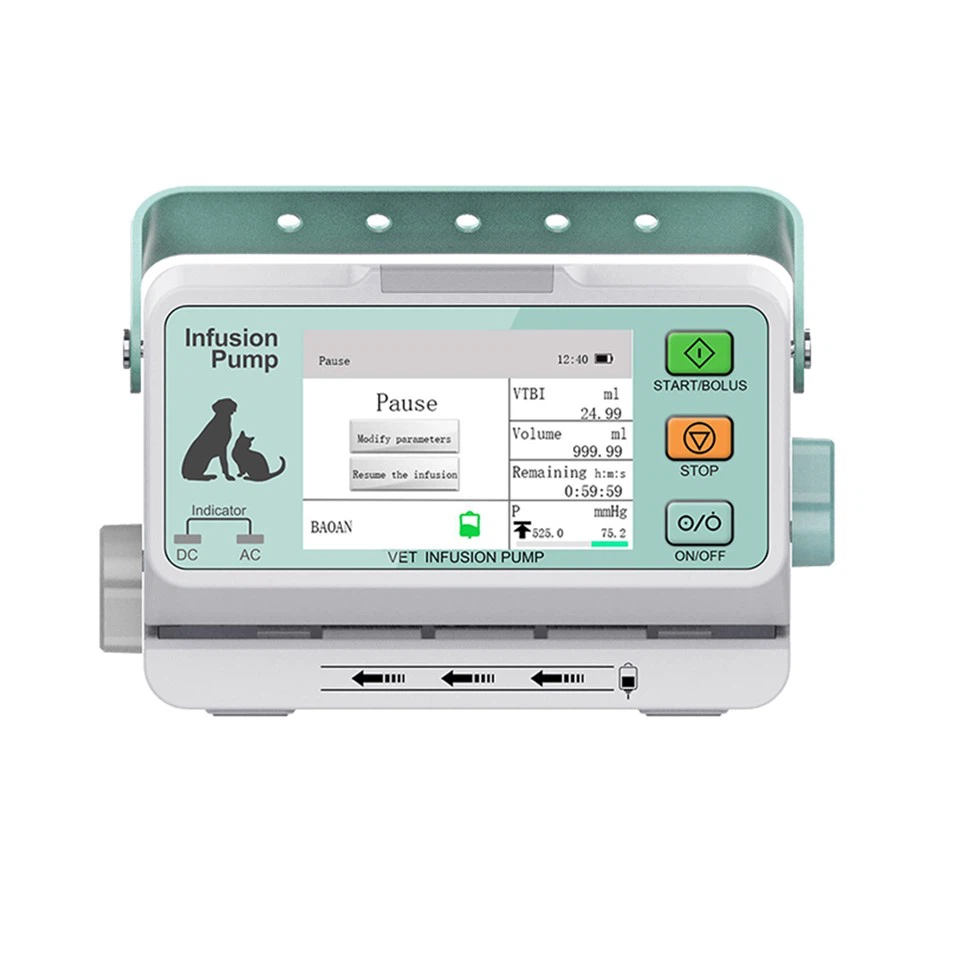
Our Animal Infusion Pump is equipped with advanced technology that makes it easy for veterinarians to set and adjust the infusion volume limit. The pump has a user - friendly interface with a clear display of the current infusion settings, including the volume limit, rate, and total volume infused.
In addition, our pumps are designed with multiple safety features. They can provide audible and visual alarms when the infusion volume approaches the set limit or when there is a malfunction in the pumping system. This ensures that veterinarians are immediately alerted to any potential issues, allowing them to take corrective action promptly.
Best Practices for Setting the Infusion Volume Limit
- Thorough Patient Assessment: Before setting the infusion volume limit, a comprehensive assessment of the animal's condition should be conducted. This includes measuring the animal's weight, evaluating vital signs, and checking for any underlying medical conditions.
- Consultation and Collaboration: Veterinarians should consult with other members of the veterinary team, such as technicians and pharmacists, when determining the appropriate infusion volume limit. This interdisciplinary approach can help to ensure the most accurate and safe setting.
- Regular Monitoring: Once the infusion has started, the animal's condition should be closely monitored. Any changes in the animal's vital signs, such as heart rate, respiratory rate, and blood pressure, may indicate that the infusion volume limit needs to be adjusted.
- Documentation: It is essential to document all infusion settings, including the volume limit, rate, and any changes made during the course of treatment. This documentation can be used for future reference and to ensure continuity of care.
Conclusion
The infusion volume limit setting of a vet infusion pump is a critical aspect of veterinary medicine. It is essential for ensuring the safety and effectiveness of fluid and medication administration in animals. As a supplier of high - quality vet infusion pumps, we are committed to providing products that make it easy for veterinarians to set and manage the infusion volume limit accurately.
If you are a veterinary professional looking for reliable and advanced vet infusion pumps, we invite you to contact us for more information about our products. We would be happy to discuss your specific needs and how our pumps can meet them. Whether you are in a small animal clinic, a large equine hospital, or an intensive care unit, our pumps are designed to provide the precision and safety you require in fluid therapy. Let's start a conversation about how we can support your veterinary practice and improve the care of your animal patients.

References
- Brown, S.A. (2019). Fluid, Electrolyte, and Acid - Base Disorders in Small Animal Practice. Elsevier.
- Kaneko, J.J., Harvey, J.W., & Bruss, M.L. (2008). Clinical Biochemistry of Domestic Animals. Academic Press.
- Eatroff, R.H., King, L.G., & Derksen, F.M. (2012). Equine Internal Medicine. Saunders.
Send Inquiry