


Can a pet incubator be used for pets in a quarantine situation?
Jan 22, 2026
Leave a message
In the context of pet health and safety, especially during a quarantine situation, one question that often pops up is whether a pet incubator can be used effectively. As a pet incubator supplier, I've had my fair share of inquiries on this very topic, so let's dive right in and break it down.
First off, what exactly is a pet incubator? Well, it's a specialized device designed to provide a controlled environment for pets, especially newborns or those in a fragile state. It helps maintain a stable temperature, humidity level, and sometimes even oxygen concentration. We offer a range of pet incubators, like the Puppy Warmer Incubator and the Dog Incubator, which are tailored to meet the specific needs of different pets.
Now, let's talk about quarantine situations. Quarantine is put in place to prevent the spread of diseases. It's a crucial measure to protect other pets and even humans from potentially harmful pathogens. When a pet is in quarantine, they're isolated from the rest of the population. This isolation can be stressful for the pet, and their well - being becomes a top priority.
A pet incubator can play a significant role in a quarantine situation. For sick or young pets in quarantine, maintaining the right temperature is vital. Newborn puppies or kittens have a hard time regulating their body temperature on their own. In a stable, warm environment provided by an incubator, they can conserve energy that would otherwise be used to stay warm, allowing their bodies to focus on fighting off any illnesses.
Let's say a litter of puppies is quarantined due to a suspected infection. Placing them in a Puppy Warmer Incubator can keep them at an optimal temperature, which is often around 85 - 90°F (29.4 - 32.2°C) for the first week of life. This not only keeps them comfortable but also gives them a better chance of survival.
Apart from temperature, humidity is another factor that can be controlled in an incubator. Some pets with respiratory issues, which could occur during a quarantine due to an illness, benefit from a specific humidity level. A pet incubator can maintain a humidity range that helps soothe their respiratory passages and eases breathing difficulties.
In addition, the isolation provided by an incubator can be an added bonus during quarantine. It's like a mini - quarantine within the larger quarantine area. This extra layer of separation can prevent the possible spread of pathogens to other areas in the quarantine facility. For example, if one sick dog is placed in a Dog Incubator, the risk of the disease spreading to other dogs in the quarantine is minimized.
However, it's not all rosy. Using a pet incubator in a quarantine situation has its challenges too. One of the main concerns is cleanliness. Incubators need to be regularly cleaned and disinfected to prevent the growth of bacteria and fungi. If not properly maintained, the incubator can become a breeding ground for pathogens, which is the exact opposite of what you want during quarantine.
Another challenge is monitoring. You need to keep a close eye on the pet in the incubator. Monitoring includes checking the pet's vital signs, such as heart rate, respiratory rate, and body temperature. It also means watching for any changes in behavior. And of course, you have to make sure the incubator is functioning properly. Any malfunction in the temperature or humidity control could have serious consequences for the pet.
When it comes to choosing the right pet incubator for quarantine, size matters. You don't want an incubator that's too small, as it can cause stress to the pet. But at the same time, you don't want one that's too large, as it might be difficult to maintain the optimal environmental conditions. Different pets have different size requirements, so it's important to select an incubator that fits the specific pet or group of pets in quarantine.
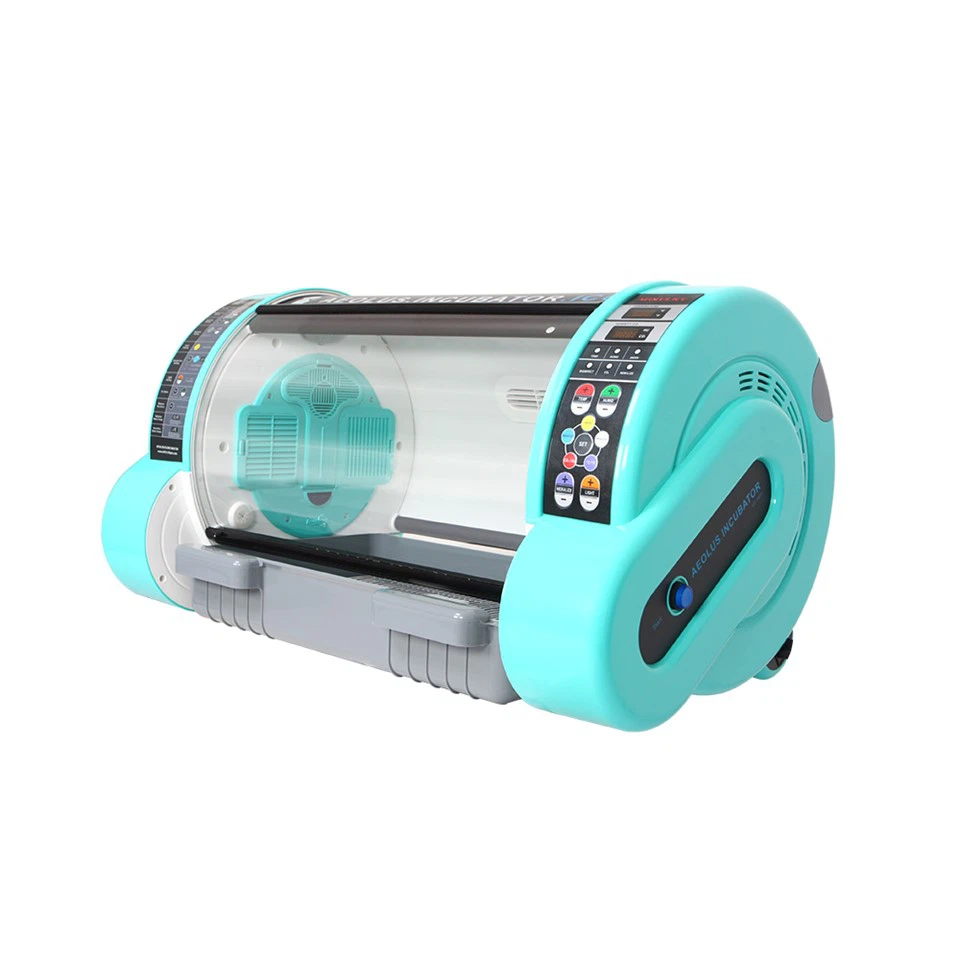

Also, consider the features of the incubator. Some incubators come with built - in alarms that go off if the temperature or humidity goes out of the set range. This is a very useful feature, especially in a quarantine situation where you may not be able to check on the incubator constantly.
So, can a pet incubator be used for pets in a quarantine situation? The answer is a resounding yes, but with some precautions. It can provide a safe and controlled environment for pets, helping them recover from illnesses and preventing the spread of diseases.
If you're in the market for a pet incubator, whether it's for a quarantine situation or other pet - care needs, we've got you covered. Our Puppy Warmer Incubator and Dog Incubator are designed with the latest technology to ensure the best care for your pets. We're always here to answer your questions and help you make the right choice. If you're interested in learning more or starting a purchase negotiation, feel free to reach out. We look forward to working with you to keep your pets healthy and safe.
References
- "Veterinary Nursing of Exotic Pets" by Simon Girling
- "Small Animal Clinical Nutrition" by Lizabeth A. Sparkes
Send Inquiry