


How Many Processes Does A Surgical Light From Huifeng Medical Go Through Before Leaving The Factory?
Apr 07, 2026
Leave a message
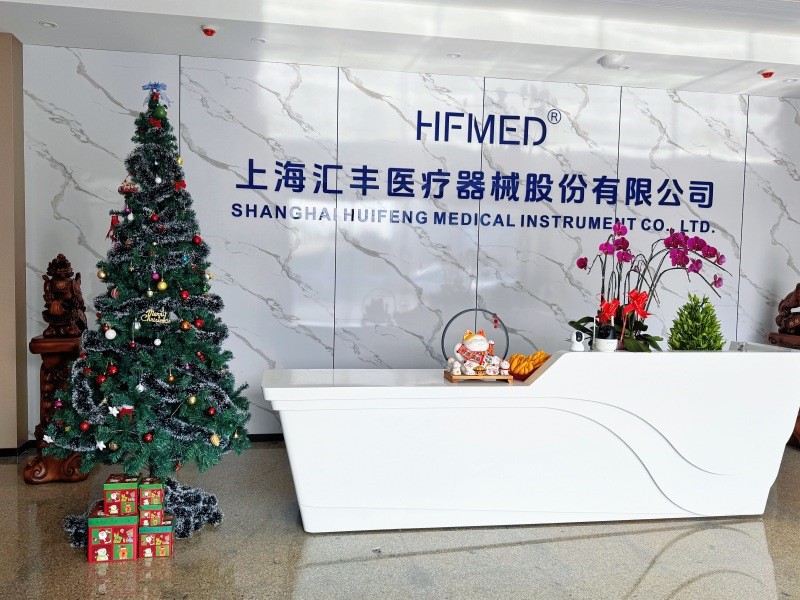
Quality is the lifeline of medical equipment. For Shanghai Huifeng Medical Instrument Co., Ltd., with over 30 years of manufacturing experience, every surgical light undergoes rigorous checks at every stage of the 12 core processes before leaving the factory. From raw material intake to finished product delivery, a standardized and meticulous management system is implemented throughout the entire process, safeguarding the trust of every customer with rigor. This is also the core confidence behind Huifeng Medical's success in obtaining multiple international certifications, including ISO13485.
Raw material selection: Building a solid first line of defense for quality
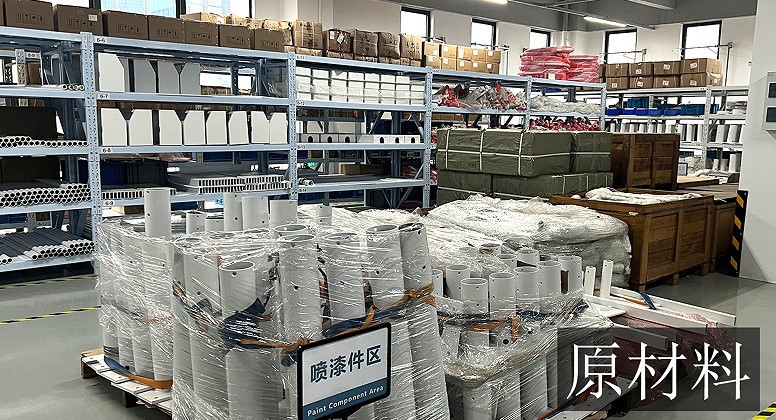
The creation of a surgical light begins with the rigorous selection of high-quality raw materials. Huifeng Medical adheres to the principle of "source control," ensuring that all raw materials strictly comply with medical industry standards. This includes key components such as high thermal conductivity aluminum alloys and high-end LED beads, preventing inferior materials from entering the production process and laying a solid foundation for product durability and safety.
Dual-stage control: Incoming inspection + Inbound/outbound management
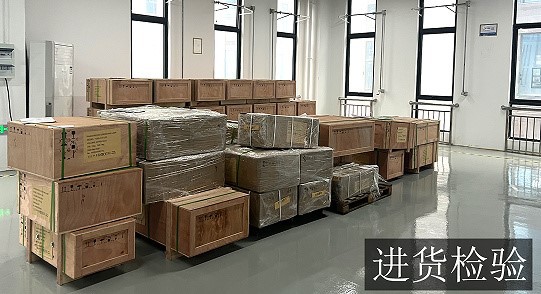
Incoming inspection: precisely rejecting substandard materials
Once raw materials arrive at the site, they immediately enter the incoming inspection stage, which is the first "checkpoint" for quality control. A professional inspection team uses precision testing equipment to conduct comprehensive testing on the specifications, performance, and materials of the raw materials. Unqualified batches are rejected directly, thus avoiding potential quality problems at the source.
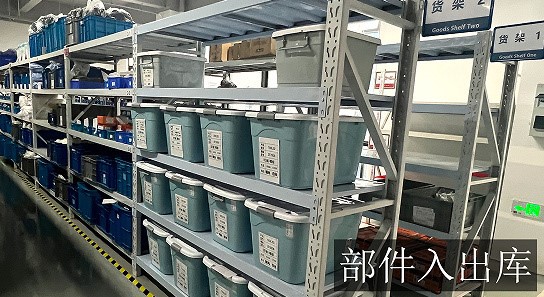
Components in and out of the warehouse: Full traceability management
Qualified raw materials enter the standardized component inbound and outbound management process. The company has established a refined warehousing system, classifying and accurately registering various components. Strict information verification is required for inbound and outbound operations to achieve full traceability of component flow, avoid component confusion and loss, and ensure the orderly progress of production.

Core processing: Precision control of metalworking and welding
Component metalworking: Precise control of dimensional accuracy
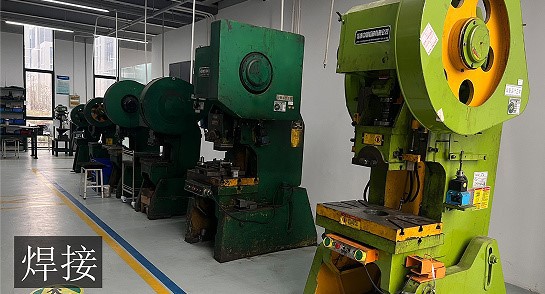
Qualified components then proceed to the metal processing stage. Experienced technicians, with their superb skills, precisely process the metal components, strictly controlling dimensional errors within industry standards to ensure that each component meets assembly requirements and provides support for the stability of the product structure.
Welding process: laying a solid foundation for structural safety
The welding process employs high-precision technology, with professionals strictly adhering to operating procedures to ensure strong and sealed welds, effectively enhancing the structural stability of the components. This step directly determines the long-term durability of the surgical light and is one of the core guarantees for the product's reliable operation.
Key processes: Inspection + Assembly + Debugging
Component inspection: Checking for potential problems one by one
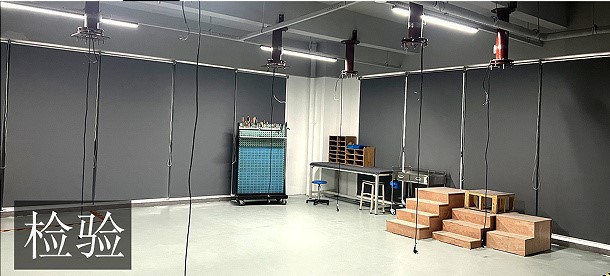
After processing and welding, the parts must undergo special inspection, focusing on checking for welding defects, processing errors and other issues. Only parts that pass the inspection are allowed to enter the subsequent assembly stage, so as to prevent unqualified parts from entering the production line.
Product assembly: Refined assembly
The assembly process is carried out by experienced technicians, who strictly follow the process standards. They pay attention to details throughout the process to ensure that the connection of each component is precise and the circuit layout is standardized, taking into account both the functionality and aesthetics of the product.

Product debugging: Full-function testing
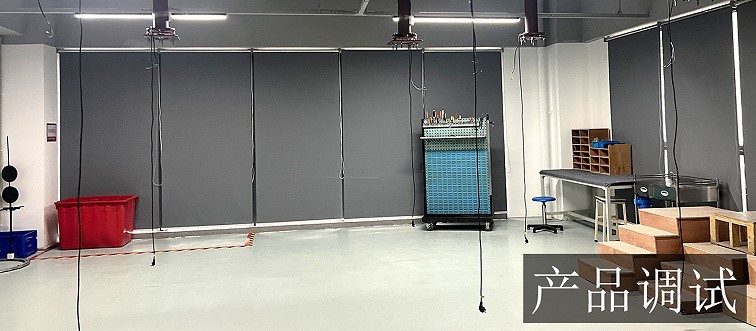
After assembly, the product debugging phase begins. Technicians conduct full-process testing on the core functions of the surgical light, such as brightness adjustment, color temperature switching, and angle adjustment, simulating actual usage scenarios to ensure stable product performance and smooth operation.
Final quality control before leaving the factory: Inspection + Labeling + Packaging
Finished product inspection: Strict compliance acceptance
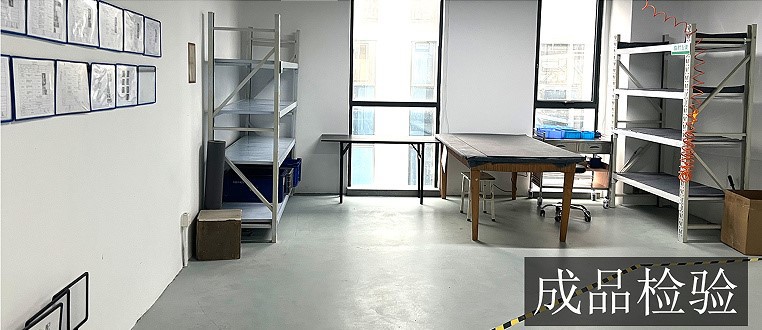
This is the final "test" before leaving the factory. The inspection team conducts comprehensive testing from multiple dimensions, including lighting effects, heat dissipation performance, structural stability, and safety protection. All indicators must meet medical industry standards. Unqualified products are reworked and will never be released.
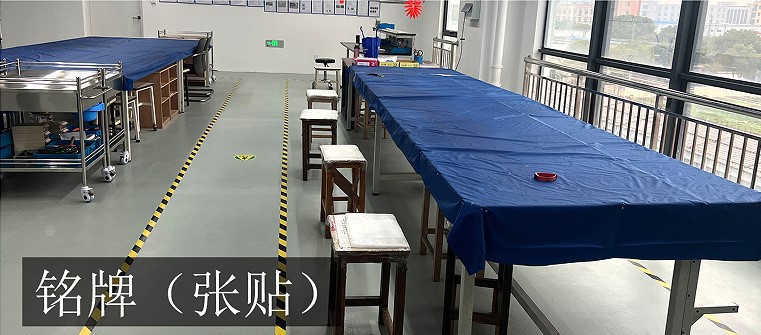
Nameplate affixing: Precise traceability label
Products that pass inspection are affixed with a unique nameplate containing information such as product model, serial number, and production date, enabling full lifecycle traceability and facilitating subsequent after-sales service and management.
Packaging and Warehousing: Protective Storage
Customized packaging materials are used to protect the surgical lights from shock, moisture, and scratches before storage. Strict temperature and humidity control is maintained during warehousing to ensure product quality stability.

Final step: Outbound verification
Before finished products leave the warehouse, staff double-check product information to ensure the model and quantity are accurate. They also inspect the packaging for integrity. Only after this double verification is shipment arranged, ensuring that every surgical light received by the customer meets factory standards.
From raw materials to finished product shipment, 12 interconnected and rigorous processes are implemented at each stage. Huifeng Medical builds a strong quality defense line with standardized processes, safeguarding the quality of every surgical light with professionalism and meticulousness, and continuously providing high-quality and reliable equipment to the medical and veterinary fields.
Send Inquiry