


Future Trends in The Pet Medical Equipment Industry: Intelligentization And Precision Leading Industry Upgrades
Apr 09, 2026
Leave a message
With the continued boom in the pet economy, the pet healthcare industry is experiencing rapid development. Pet medical equipment, as a core support component, is also undergoing iterative upgrades driven by technological innovation, market demand, and policy guidance. In the future, the pet medical equipment industry will break through traditional limitations and steadily move towards intelligence, precision, and diversification, meeting the refined needs of pet diagnosis and treatment, while simultaneously promoting industry standardization and internationalization. The following is a breakdown of the core trends.
Trend 1: Intelligent empowerment, reshaping the medical experience
Intelligentization is the core development trend of pet medical equipment, which will gradually replace traditional equipment and solve industry pain points.
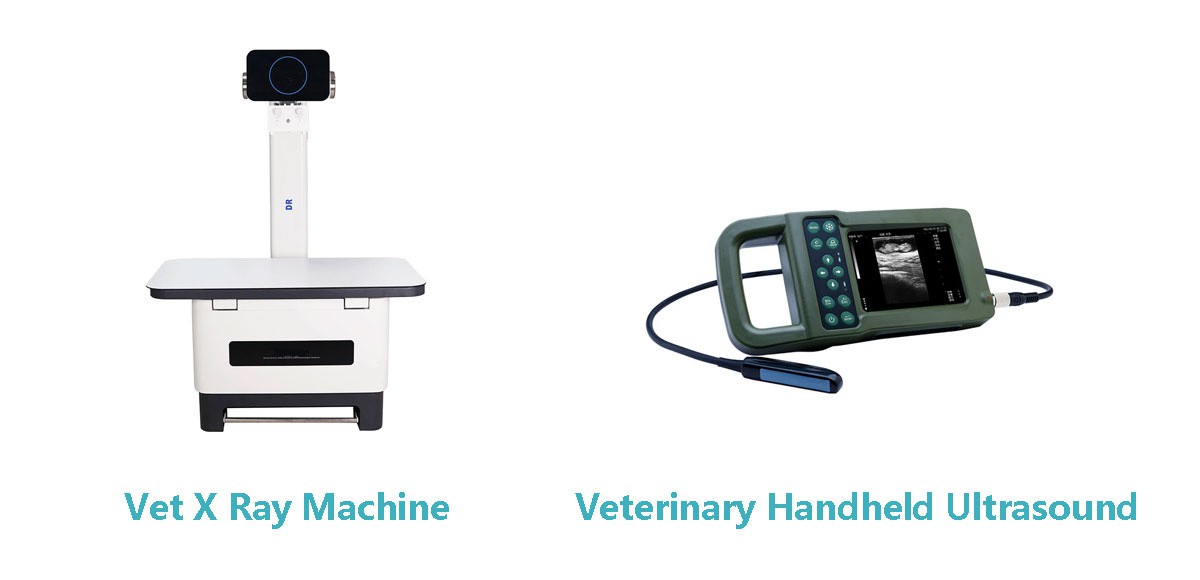
1.Widespread adoption of AI-assisted diagnosis: AI technology will be deeply integrated into imaging equipment, such as Vet X-ray Machine and Veterinary Handheld Ultrasound. Through algorithms, lesions will be quickly identified, improving diagnostic accuracy, alleviating the shortage of specialist veterinarians, and shortening diagnosis time.
2.Routine intelligent monitoring: The rise of home and medical intelligent monitoring devices, such as intelligent health collars and Veterinary Patient Monitor, can monitor pets' body temperature, heart rate and other indicators in real time, enabling early detection and intervention of diseases and creating a closed loop for pet health management.

Trend 2: Precision upgrade, adapting to specific diagnostic and treatment needs
With rising consumer expectations, pet owners are demanding higher-quality medical care, driving the transformation of equipment towards precision and minimally invasive techniques to better suit different diseases and pet sizes.
Equipment adaptability optimization: The number of miniaturized and customized devices is increasing, enabling delicate surgeries on small pets (hamsters, kittens) as well as meeting the treatment needs of larger pets, thus improving ease of operation.
Trend 3: Accelerated domestic substitution enhances industry competitiveness
In the past, high-end pet medical equipment relied heavily on imports. In the future, domestic production will become the mainstream, achieving breakthroughs through policy support and technological innovation.
1. Independent R&D of Core Technologies: Domestic enterprises will increase R&D investment to overcome technological bottlenecks in high-end imaging equipment and core components, gradually replacing imported products and reducing equipment procurement costs.
2. Policy Support for Development: Local governments have introduced policies to support innovation in pet medical devices, subsidizing R&D investment, promoting the standardization and high-end development of domestically produced equipment, and supporting exports to enhance international competitiveness.
Trend 4: Diversified Scenarios, Expanding Industry Boundaries
The application scenarios for pet medical devices will extend from traditional pet hospitals to multiple scenarios such as homes, communities, and mobile clinics.
1. Widespread Use of Home-Based Devices: Portable devices such as home blood glucose meters and smart thermometers are gaining popularity, meeting pet owners' home monitoring needs and becoming essential items for pet owners.
2. Upgraded Mobile Clinic Devices: The development of lightweight, integrated mobile clinic devices supports veterinary home visits, breaking geographical limitations and improving the convenience of pet medical services.
Trend 5: Standardized Development, Strengthening Quality Assurance
With the rapid development of the industry, policy supervision will gradually become stricter, promoting the standardized development of the pet medical device industry. In the future, industry standards will continue to improve, covering aspects such as device safety and effectiveness evaluation, eliminating inferior products. Companies with technological advantages and compliance capabilities will stand out, driving increased industry concentration.
In conclusion, the future pet medical equipment industry will achieve high-quality development driven by intelligence, precision, localization, and diversification. This will not only meet the professional needs of pet diagnosis and treatment but also cater to the emotional and practical needs of pet owners, while helping the entire pet medical industry move towards a more standardized and professional new stage.
Send Inquiry