


What are the Differences Between Surgical Lights in Pet Hospitals and Surgical Lights in Human Hospitals?
Apr 08, 2026
Leave a message
Surgical lights are crucial for ensuring clear vision during surgery, essential for both human and veterinary hospitals. However, many mistakenly believe they are interchangeable, when in fact, due to differences in the patients being treated and the surgical environment, there are many fundamental distinctions. Below, we'll break it down from the core dimensions to help you clearly differentiate between them, and also recommend a high-quality surgical light suitable for veterinary hospitals.
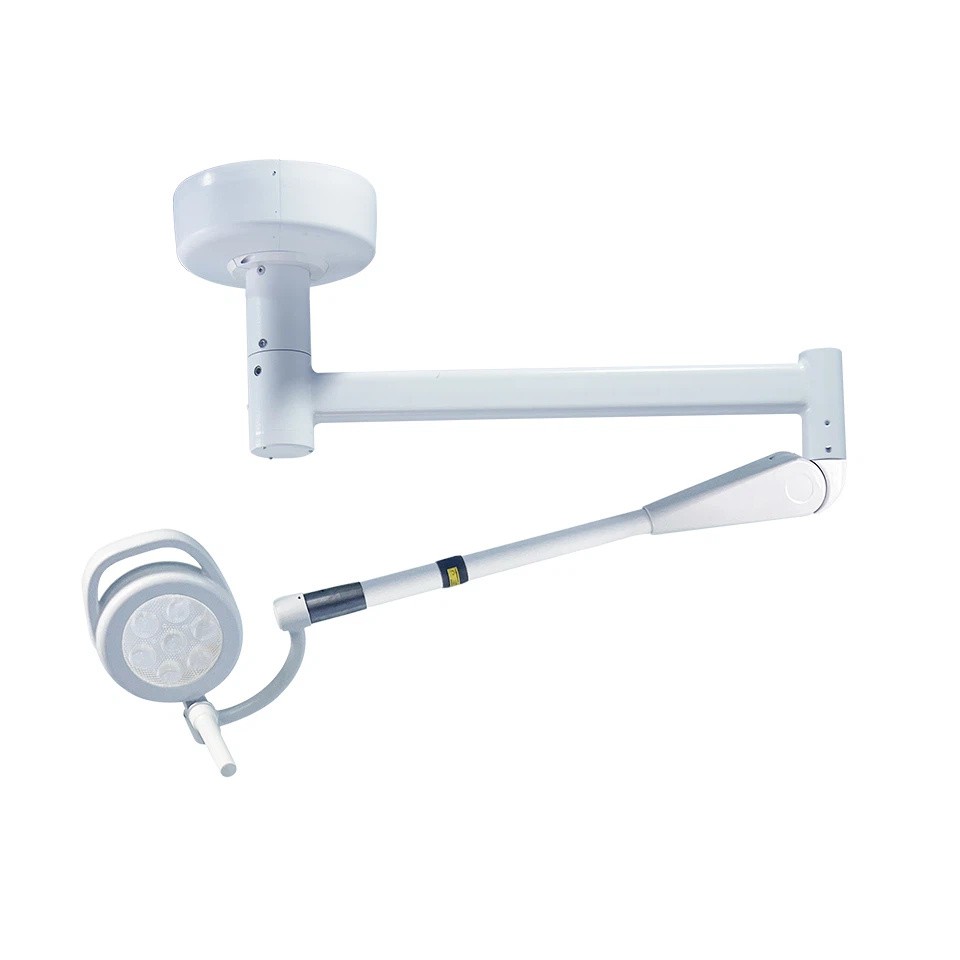
Tailored to the body shape differences of the patients
Human surgical lights are primarily designed for human body shapes, with relatively standardized specifications. The lamp head size and illumination range are adapted to the surgical needs of adults and children, and they are mostly fixed installations (mainly ceiling-mounted), eliminating the need for frequent angle adjustments to fit different body sizes.
However, the size of patients treated in veterinary hospitals varies greatly, from small cats and hamsters to large dogs and livestock, requiring surgical lights that can be flexibly adapted. Therefore, veterinary surgical lights prioritize compactness and flexibility. For example, the vet surgical light features a compact design that saves space, fitting into the often cramped operating rooms of veterinary hospitals. Even in limited spaces, it can be flexibly placed without taking up too much operating area.
Special needs for pet surgery
The core difference between the two types of surgical lights lies in their adaptation to the physiological characteristics of different patients. The specific differences are as follows:
1. Human Surgical Lights: Emphasizing high color rendering and wide-range shadowless illumination to meet the deep field of vision requirements of complex human surgeries (such as thoracic and abdominal surgeries). Some models also include color temperature adjustment to suit different surgical scenarios in various departments.
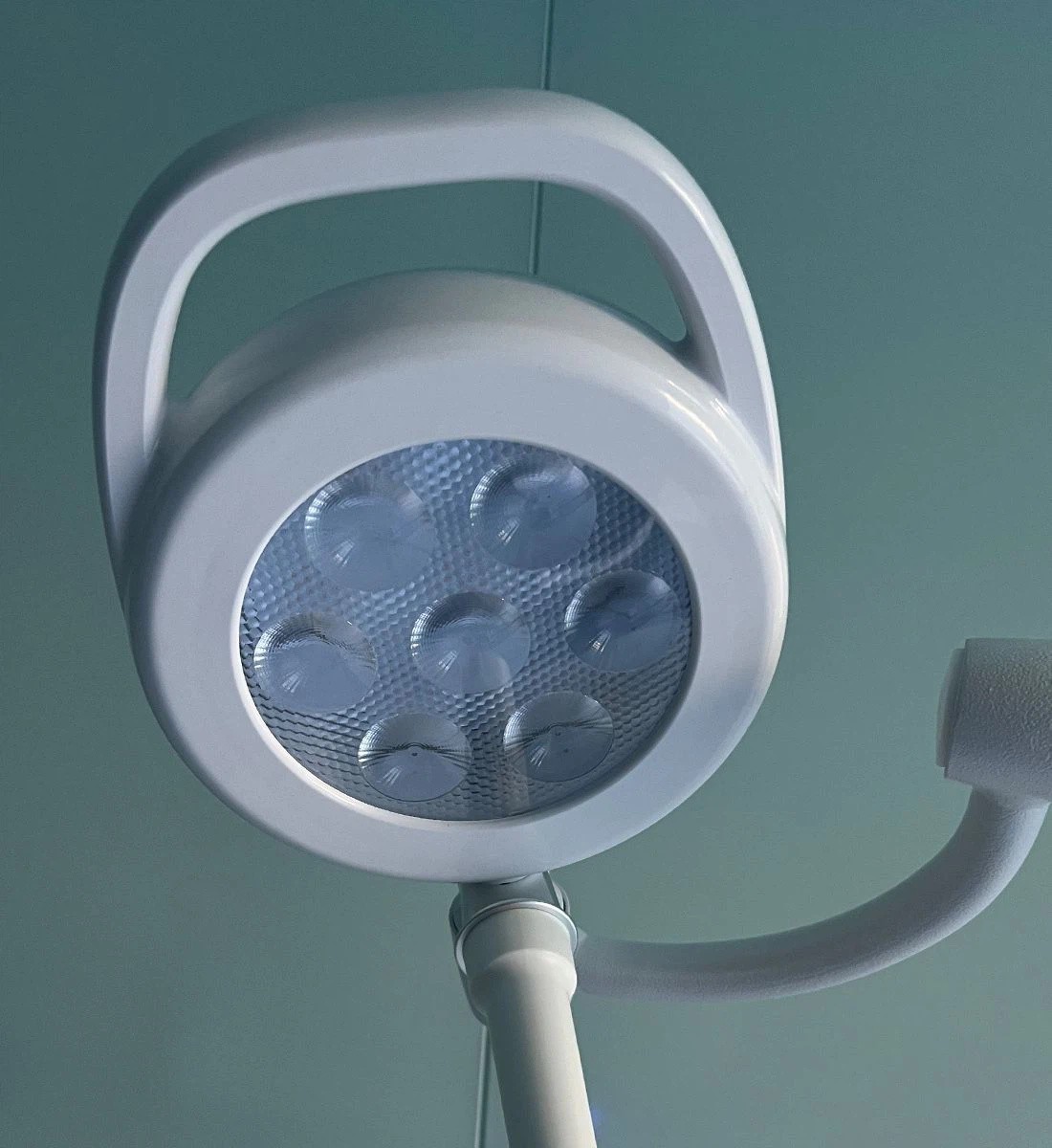
2. Pet Surgical Lights: Focusing more on low heat radiation and stability to avoid irritating the pet's skin and reduce stress responses. Vet surgical light precisely meet this need. Their core light source uses advanced LED technology, which is more durable and has a significantly longer lifespan than traditional halogen lamps and gas discharge lamps. Simultaneously, the low heat radiation from LED technology completely avoids the skin irritation that traditional light sources may cause in pets, ensuring their comfort during surgery.
Uncontrollable aspects of adapting to pet surgery
In human surgery, patients cooperate with anesthesia and maintain a fixed posture, requiring only standard stability from the surgical light. However, in veterinary surgery, pets may exhibit slight agitation, and the surgical procedure demands greater flexibility, placing higher demands on the stability and fault tolerance of the surgical light.
Veterinary surgical lights excel in this regard. Their stable and reliable lamp head structure ensures continued operation even if individual LEDs malfunction, preventing disruptions to the surgical process due to lighting failures. Furthermore, the use of cold-light focused LEDs ensures ample illumination in the surgical area, clearly revealing the pet's fine blood vessels and tissues, aiding veterinarians in precise procedures and reducing surgical risks.
Choose what you need, reject generics
In summary, the core difference between veterinary surgical lights and human surgical lights lies in their "adaptability"-human surgical lights are designed for standardized human surgical scenarios, while veterinary lights are tailored to the size and physiological characteristics of pets, emphasizing compactness, low heat radiation, and high stability.
For veterinary hospitals, choosing a suitable surgical light is crucial. Veterinary surgical lights, with their compact design, high-quality LED light source, and stable performance, perfectly meet the various needs of veterinary surgery, saving space while ensuring a clear surgical field of vision, making them an excellent choice for veterinary hospitals.
Send Inquiry