


What Are the Competitive Advantages of High-Growth Smart Pet Products?
Apr 10, 2026
Leave a message
(Based on the Product Strategy of topvetmed.com)
In recent years, if you're involved in e-commerce or international trade, you've probably noticed one clear trend:
The pet industry keeps growing - but smart pet products are growing even faster.
Websites like topvetmed.com are a good example of this shift. Instead of focusing only on traditional pet supplies, they are clearly moving toward smart, tech-driven product lines, such as:
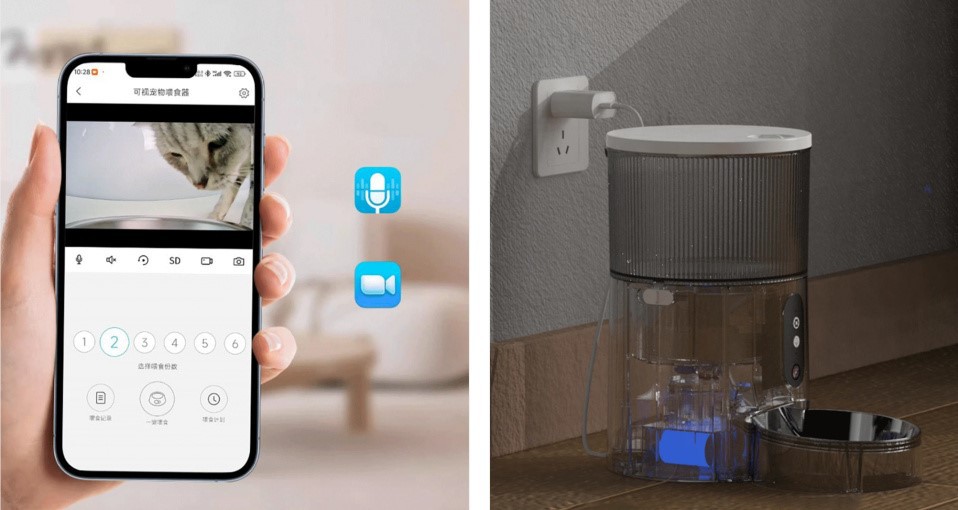
- Smart pet feeders (with cameras and app control)
- Automatic litter boxes (New Air Fully Automatic Cat Litter Box)
- Pet water fountains
- Anti-barking training devices
Behind these products is a deeper trend:
Pets are no longer just animals - they are family members.
And once that mindset changes, demand naturally upgrades.
Let's break down the real competitive advantages of this category from a buyer-focused perspective.
Core Advantage: Solving "Pet Owner Anxiety," Not Just Selling Products
At its core, smart pet products are not just tools - they provide peace of mind.
Take a smart pet feeder as an example:
- Scheduled and portion-controlled feeding
- Remote control via mobile app
- Camera and voice interaction features

What problem does this solve?
"What happens when I'm not at home?"
Real concerns from pet owners:
- No time to feed pets due to work
- Travel or business trips
- Worry about overfeeding or underfeeding
The key difference:
- A regular feeding bowl = a basic tool
- A smart feeder = a substitute for the owner
- That's why it can be sold at a much higher price - and still convert well.
Higher Profit Margins (Natural Premium Positioning)
Traditional pet products:
Bowls, beds, toys → highly commoditized
- Price competition is intense
- Low differentiation
- But smart pet products are different:
They have built-in technical barriers
For example:
- App connectivity
- Cameras
- Portion control systems
- Anti-moisture food storage
Real market comparison:
- Regular feeder: $5–10
- Smart feeder: $40–100+
- This creates significantly higher margins.
And more importantly, buyers compare features and experience, not just price.
Strong Potential for Repeat Purchases and Product Expansion
One overlooked advantage:
The pet industry is not a one-time purchase - it's a long-term relationship.
Traditional products:
Bowls, cages → low repurchase rate
Smart ecosystem products:
Easy to expand into a full product line
For example:
Feeder → water fountain → litter box → pet camera → training devices
Platforms like topvetmed.com are already building this kind of product ecosystem.
For buyers and distributors:
You're not just selling one SKU - you're building a complete product portfolio.
Perfect Fit for "Convenience Economy" and Remote Living
Let's be honest:
People today are busier - and also a bit lazier.
Smart pet products align perfectly with this lifestyle:
- Automatic feeding
- Automatic cleaning
- Automatic water supply
Even more importantly:
You can take care of your pet without being physically present.
This matches major social trends:
- More single-person households
- More dual-income families
- Stronger emotional reliance on pets
Smart products become a necessity, not a luxury.
Easier Product Differentiation
One major issue with traditional pet supplies:
Severe product homogeneity
But with smart products, you can easily differentiate through:
- App features
- AI capabilities
- Data tracking
- User experience
For example:
- Feeding records
- Behavior monitoring
- Health tracking
To give a very practical example:
Topvetmed products allow you to:
- Remotely view your pet
- Control feeding
- Interact with your pet via voice
This is no longer just "a feeder," but a "pet management system"
Strong Branding Potential (Not Just OEM Business)
Traditional pet products:
Difficult to build a brand (too basic)
Smart products:
Naturally suitable for branding
Because they involve:
- Technology
- Software systems
- User experience
Many global brands (like PetSafe) have grown specifically through smart pet products.
For manufacturers:
This is a chance to move from OEM → branded business
Global Demand Is Expanding Rapidly
From product distribution strategies like those seen on topvetmed.com, it's clear:
- North America
- Europe
- Southeast Asia
- Emerging markets
The reason is simple:
Pet ownership is increasing worldwide
Especially in:
- The U.S.
- Europe
- Japan
These markets have a high acceptance of smart pet technology.
But Let's Be Real: Hidden Barriers in This Industry
Despite the growth potential, this is not an "easy" category.
1. Technical Requirements
Not just assembly - you need:
- Software (apps, connectivity)
- Hardware (motors, sensors)
2. High After-Sales Expectations
If something goes wrong:
App crashes
- Feeding malfunction
- Customers complain immediately
3. Stability Is Critical
Unlike many products:
Pet products cannot fail
Example:
- If a feeder stops working → the pet doesn't get food
That's a serious issue.
Final Takeaway
So why are smart pet products growing so fast?
Because they transform pet care from a manual task into an automated service
A Practical Product Selection Tip
If you're evaluating this category, focus on three things:
- Does it solve the "owner not at home" problem?
- Does it include smart/automated control?
- Can it be expanded into a product series?
If the answer is yes to all three,
you're likely looking at a high-potential product.
Send Inquiry