


How to Choose a Veterinary Surgical Light?
Oct 02, 2026
Leave a message
Choosing a surgical light for a veterinary hospital is not simply a matter of comparing brightness, price, or the number of LED bulbs. In real surgical work, the light needs to stay stable when the surgeon changes position, provide enough illumination for deep or narrow operating areas, and avoid creating unnecessary shadows or glare.
For veterinary clinics and animal hospitals, the right Veterinary Surgical Light should be selected according to the type of surgery, operating room layout, animal size, expected workload, and maintenance requirements.
If you are purchasing surgical lighting for a new veterinary operating room or replacing an older lamp, the following points are worth checking before making a decision.
1. Start with the Type of Veterinary Surgery
The first question is not "How many lux does the light have?" It is "What kind of surgery will we perform under it?"
A small animal clinic mainly performing routine spay and neuter procedures may have different requirements from a veterinary hospital handling orthopedic surgery, abdominal surgery, emergency procedures, or long-duration operations.
For general veterinary surgery, you should look for:
- Stable and uniform illumination
- Good color rendering
- Adjustable light intensity
- Flexible positioning
- Low heat generation
- Easy cleaning and maintenance
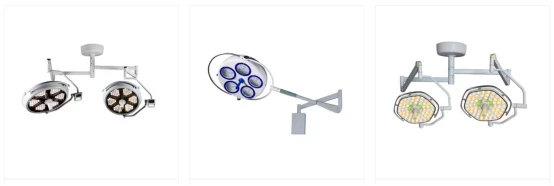
For deeper surgical procedures, a deep-cavity surgical light for veterinary surgery becomes more important. The light needs to reach the surgical field without excessive shadowing when the surgeon's hands, instruments, or other equipment enter the light path.
This is one reason why simply choosing the brightest lamp is not always the best approach. Light distribution and shadow management can be more important than the maximum lux number shown in a product brochure.
2. Check Illumination, but Don't Look at Lux Alone
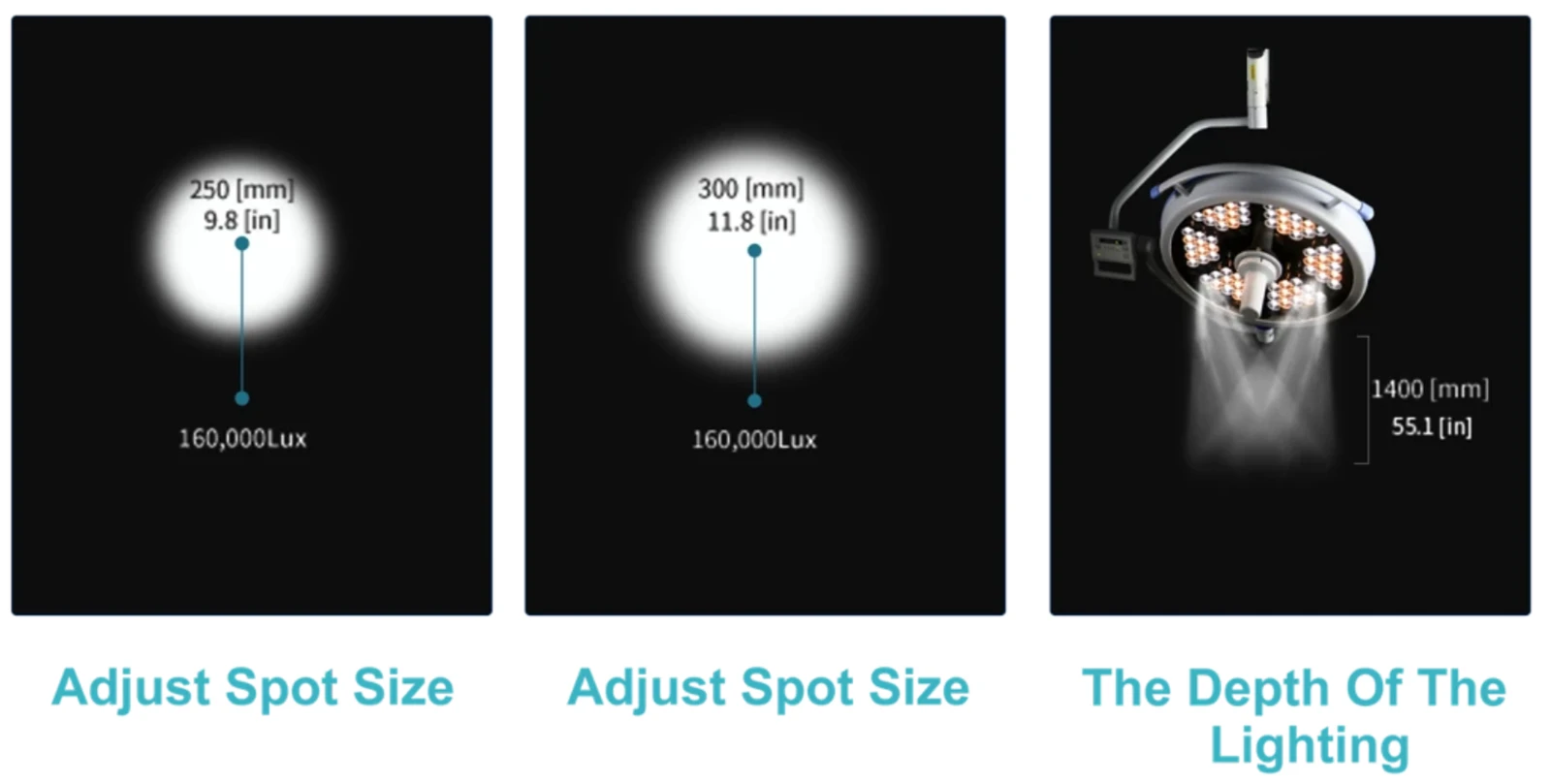
Illumination is one of the first specifications buyers compare. A surgical light with sufficient illuminance can provide a clearer view of tissues and surgical details.
However, maximum illuminance is only one part of the picture.
When comparing LED surgical lights for veterinary clinics, also check:
- Illumination at different distances
- Light field diameter
- Uniformity of illumination
- Shadow dilution
- Color temperature
- Color Rendering Index (CRI)
- Dimming range
A lamp may have a very high maximum lux value, but if the light field is uneven or shadows become obvious when the surgeon moves around the operating table, the practical result may not be as good as expected.
For veterinary operating rooms, a balanced combination of high-intensity LED surgical lighting, uniform illumination, and good shadow control is usually more useful than pursuing a single maximum specification.
3. Pay Attention to CRI and Color Temperature
Surgeons need to distinguish subtle differences in tissue color, blood vessels, and other anatomical structures. This makes color quality an important consideration.
A good surgical light should provide a natural and consistent view of the surgical field.
A CRI of 90 or above is commonly considered a useful target for surgical lighting, although the actual requirement should be considered together with the lamp's overall optical performance.
Color temperature also affects how the surgical field appears. A neutral white light is generally preferred because it provides a clear and natural visual environment without making the operating area appear excessively warm or cold.
For buyers, it is better to evaluate CRI and color temperature together with actual light performance rather than selecting a product based on one specification.

4. Consider Shadow Reduction During Surgery
Shadow management is one of the practical details that can easily be overlooked during purchasing.
During an operation, the surgeon's head, hands, instruments, and other equipment can block part of the light. If the lamp relies heavily on a single concentrated light source, shadows can become more noticeable.
Modern multi-LED surgical lights use multiple light sources and optical arrangements to reduce this problem.
When evaluating a shadowless veterinary operating room light, ask the supplier how the lamp performs when the surgical field is partially blocked. If possible, test the light with a real operating table and simulate different working positions.
For hospitals performing complicated or deep procedures, this test can be more useful than simply reading the specification sheet.
5. Check How Easily the Light Can Be Positioned
A surgical lamp may have excellent optical performance, but if the surgeon or nurse struggles to position it, the equipment can become frustrating to use.
For ceiling-mounted veterinary surgical lights, check:
- Arm movement range
- Lamp head rotation
- Vertical adjustment
- Horizontal positioning
- Handle design
- Position stability
- Whether the lamp can be moved smoothly with one hand
The lamp should stay where it is positioned instead of slowly drifting during surgery.
For veterinary operating rooms with limited space, also check the relationship between the surgical light, operating table, anesthesia machine, ceiling height, and other equipment.
A good installation is not just about whether the lamp can be mounted. It should leave enough working space around the operating table.
6. Choose LED for Long-Term Operating Costs
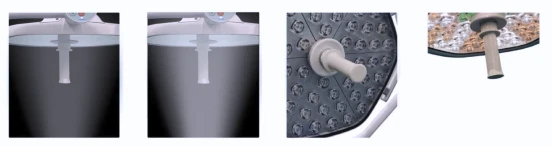
LED technology has become the standard choice for modern surgical lighting because it can provide high illumination with relatively low heat output and long service life.
For veterinary hospitals, lower heat generation is particularly useful during long procedures. Excessive heat around the surgical field can make the operating environment uncomfortable and may affect temperature management.
When comparing LED surgical lamps, look beyond the advertised LED lifespan. Ask about:
- LED module replacement
- Power supply reliability
- Cooling design
- Control system
- Availability of spare parts
- Warranty and after-sales service
A lamp that costs slightly less initially but requires difficult maintenance later may not provide the best overall value for a busy veterinary hospital.
7. Think About Cleaning and Infection Control
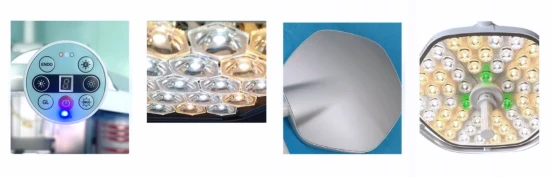
Veterinary operating rooms need regular cleaning and disinfection. The design of the lamp should therefore be suitable for this environment.
Look for a smooth lamp housing with as few unnecessary gaps and exposed components as possible. Handles should also be easy to clean and disinfect.
Some veterinary hospitals have specific requirements for surgical lights for veterinary operating rooms, particularly where multiple procedures are performed every day.
Before purchasing, confirm which disinfectants can be safely used on the lamp surface and whether the manufacturer provides cleaning recommendations.
This is a small detail during purchasing, but it can become important after the equipment is installed.
8. Don't Ignore Installation and After-Sales Support
A surgical light is not an isolated piece of equipment. Ceiling height, mounting structure, electrical requirements, room dimensions, and installation position all affect the final result.
Before ordering, provide the supplier with the operating room layout and ask for installation requirements.
For overseas buyers, it is also worth confirming:
- Installation drawings
- Electrical specifications
- Packing method
- Spare parts availability
- Warranty period
- Technical support
- Delivery time
For international veterinary equipment procurement, good documentation and responsive technical support can save considerable time when the equipment is installed or serviced.

9. Match the Light to Your Actual Budget and Workload
There is no need to purchase the most expensive surgical light simply because it has the highest specifications.
A small veterinary clinic with a few routine procedures may have different needs from a referral animal hospital with orthopedic, soft-tissue, emergency, and complex abdominal surgeries.
The better approach is to match the equipment with the actual workload.
Before requesting a quotation, it helps to prepare several basic requirements:
Application: General surgery / orthopedic surgery / emergency / specialty surgery
Mounting: Ceiling / mobile
Illumination: Required lux range
Color quality: CRI and color temperature
Operating room: Room size and ceiling height
Quantity: Number of surgical lights required
Destination: Country and installation conditions
This gives the manufacturer enough information to recommend a suitable configuration instead of simply sending a standard price list.
In conclusion
Choosing surgical lighting for a veterinary hospital is ultimately about how the equipment performs during real procedures.
Don't judge a lamp only by its maximum lux. Look at light uniformity, shadow reduction, CRI, color temperature, positioning flexibility, heat generation, cleaning, installation, and long-term maintenance.
For veterinary clinics purchasing new equipment, it is also worth asking for product specifications, installation drawings, videos, and, when possible, a demonstration before placing a larger order.
A well-selected Veterinary Surgical Light should make the surgical field easier to see, remain stable throughout the procedure, and fit naturally into the workflow of the veterinary operating room. That is usually more valuable than simply having a longer specification sheet.
Send Inquiry