


Can a pet incubator be used for reptiles?
Dec 15, 2025
Leave a message
Hey there, fellow pet enthusiasts! I'm a supplier of pet incubators, and I often get asked a really interesting question: Can a pet incubator be used for reptiles? Well, let's dive right into this topic and find out.
First off, let's understand what a pet incubator is. We've got some great options like the Dog Incubator and the Puppy Warmer Incubator. These are designed to provide a controlled environment for newborn puppies and other small animals. They help maintain the right temperature, humidity, and oxygen levels to ensure the little ones stay healthy and thrive.
Now, when it comes to reptiles, they have some unique needs. Reptiles are cold - blooded animals, which means they rely on their environment to regulate their body temperature. Different species of reptiles have different temperature and humidity requirements. For example, desert - dwelling reptiles like bearded dragons need a relatively dry and warm environment, while tropical reptiles such as chameleons require higher humidity levels.
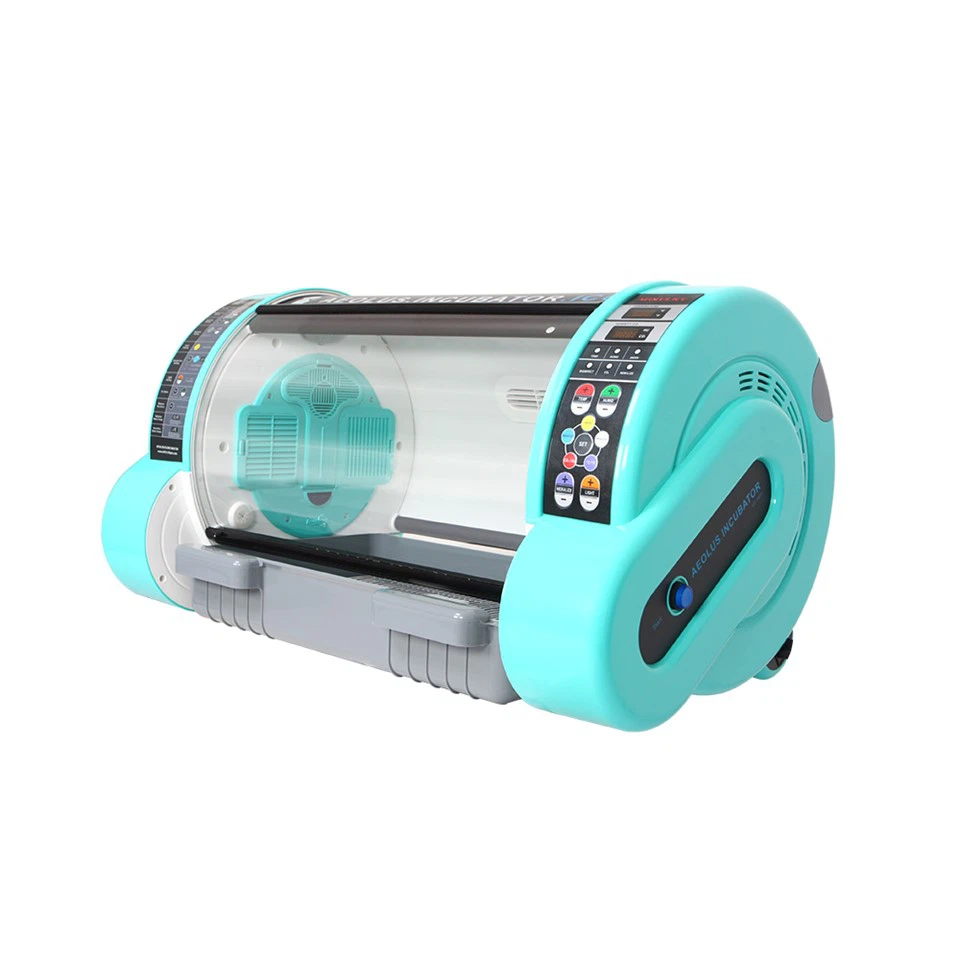

So, can our regular pet incubators work for reptiles? The short answer is, it depends. Some basic pet incubators can be used for reptiles, but there are a few things to consider.
Temperature Control
One of the most crucial factors for reptiles is temperature. Most pet incubators are designed to maintain a specific temperature range suitable for mammals. For reptiles, the ideal temperature can vary widely. For instance, ball pythons need a warm side of their enclosure to be around 88 - 92°F (31 - 33°C) and a cool side around 78 - 80°F (25 - 27°C). If your pet incubator can be adjusted to these specific temperature ranges, then it has the potential to work for reptiles. However, some incubators may have a limited temperature adjustment range, which could be a problem.
Humidity Regulation
Humidity is another key aspect. Reptiles from different habitats have different humidity needs. A pet incubator that is designed mainly for puppies may not have the ability to control humidity as precisely as required for reptiles. For example, leopard geckos need a humidity level of around 30 - 40%, while green tree pythons need a humidity level of 70 - 80%. If the incubator doesn't have a proper humidity control system, it might not be suitable for reptiles. Some advanced pet incubators can be modified to include a humidity control feature, but this may require some additional work.
Space and Ventilation
Reptiles also need enough space to move around and proper ventilation. A small pet incubator that is perfect for a newborn puppy may be too cramped for a growing reptile. Also, good ventilation is essential to prevent the build - up of harmful gases and to maintain fresh air circulation. Some pet incubators may not have adequate ventilation for reptiles, which can lead to health problems such as respiratory issues.
Safety Features
When using a pet incubator for reptiles, safety is of utmost importance. Reptiles can be curious creatures and may try to chew on or get stuck in parts of the incubator. The incubator should have smooth edges and no small parts that could be a choking hazard. Also, it should be made of materials that are safe for reptiles and won't leach any harmful chemicals.
Types of Reptiles
Not all reptiles are the same, and different types of reptiles have different needs. For example, turtles and tortoises need a water area in their enclosure, which a regular pet incubator may not be able to provide. On the other hand, small lizards like anoles may be more adaptable to a basic pet incubator if the temperature and humidity can be adjusted correctly.
Modifications
If you find that your pet incubator doesn't fully meet the needs of your reptile, there are some modifications you can make. You can add a small humidifier or dehumidifier to control the humidity. You can also create a temperature gradient inside the incubator by using heat mats or ceramic heat emitters. However, these modifications should be done carefully to ensure the safety of the reptile.
Benefits of Using a Pet Incubator for Reptiles
Despite the challenges, there are some benefits to using a pet incubator for reptiles. If you can get the temperature, humidity, and other conditions right, it provides a controlled and stable environment for the reptile. This can be especially useful for incubating reptile eggs. Reptile eggs need a consistent temperature and humidity to develop properly, and a pet incubator can help achieve this.
Conclusion
In conclusion, a pet incubator can potentially be used for reptiles, but it's not a one - size - fits - all solution. Before using a pet incubator for your reptile, you need to carefully assess its features and capabilities. Make sure it can be adjusted to meet the specific temperature, humidity, space, and ventilation needs of your reptile. If necessary, consider making some modifications to the incubator.
If you're interested in using a pet incubator for your reptiles or have any questions about our products, we'd love to hear from you. Whether you're a breeder looking for a reliable solution for incubating reptile eggs or a reptile owner wanting to provide a safe and controlled environment for your pet, we can help. Contact us to discuss your requirements and let's find the best pet incubator solution for you.
References
- "Reptile Husbandry: A Practical Guide" by Philippe de Vosjoli
- "The Complete Guide to Reptile and Amphibian Medicine" by Stephen J. Divers and Douglas R. Mader
Send Inquiry