


How to Choose the Right Veterinary Endoscopy Equipment for Different Animal Clinics and Surgical Applications
May 19, 2026
Leave a message
With the continuous upgrading of the pet healthcare industry, veterinary endoscopy equipment has become a core standard for hardware upgrades in animal hospitals. With the widespread adoption of minimally invasive treatment concepts, veterinary endoscopes are no longer exclusive to large specialized animal hospitals; an increasing number of small and medium-sized pet clinics are also including endoscopy systems in their key procurement plans.
However, in the actual procurement process, many managers face the same challenge: the market is flooded with veterinary endoscopy system brands, with significant differences in specifications and prices, making it difficult for ordinary purchasers to accurately determine which equipment matches their diagnostic and treatment needs.
In fact, selecting veterinary endoscopy equipment should not be based solely on price comparisons. It requires a comprehensive consideration of multiple dimensions, including the hospital's size and positioning, the types of pets treated, routine surgical procedures, as well as post-operative maintenance costs and accessory compatibility, to select a suitable device that offers high cost-effectiveness and high utilization.

Why are veterinary hospitals vying to equip themselves with veterinary endoscopy equipment?
While traditional open surgery techniques are mature, they suffer from large incisions and long recovery periods, increasing both the pet's physical suffering and causing concern for pet owners. The widespread adoption of veterinary endoscopes has revolutionized pet healthcare, making various examinations and minimally invasive procedures more precise and safer.
Endoscopes can be widely used in various clinical scenarios:
* Non-invasive removal of foreign bodies from the pet's digestive tract
* Precise screening of internal gastrointestinal diseases
* Deep examination and lesion detection in the ear canal
* Diagnosis and treatment of respiratory tract cavities
* Examination of urinary system cavities
* Various minimally invasive surgeries, including laparoscopy and thoracoscopy.
Compared to traditional surgery, veterinary endoscopic diagnosis and treatment offer significant advantages: smaller incisions, less intraoperative bleeding, faster postoperative recovery, shorter hospital stays, a better pet experience, and significantly increased owner acceptance. Therefore, equipping veterinary hospitals with professional veterinary endoscopy systems has become a key measure for enhancing their core competitiveness and differentiating themselves from the competition.
Analysis of the Differences in Endoscopic Equipment Needs for Animal Hospitals of Different Sizes
The biggest misconception in procurement is blindly following trends and copying competitors' configurations. The appropriate Veterinary Endoscopy Equipment configuration standards completely differ for pet hospitals of different sizes and with different focuses.
- Small and Medium-Sized Pet Clinics
Small clinics that are deploying endoscopy equipment for the first time do not need to pursue high-end, top-of-the-line configurations. Basic and practical configurations are sufficient. The core needs of these institutions are concentrated in: routine digestive tract examinations, simple non-invasive foreign body removal, and routine ear canal screening. Key considerations for selection include: ease of operation, controllable procurement and operating costs, stable image quality, and convenient maintenance. Blindly purchasing high-end, complex systems not only results in high idle rates and low utilization rates but also unnecessarily increases initial investment and operational burdens.
- Specialized and Large Animal Medical Centers
Large specialized hospitals and comprehensive animal medical centers handle complex cases and have a broader clinical scope, frequently performing highly complex diagnostic and treatment procedures: laparoscopic minimally invasive surgery, thoracoscopic surgery, arthroscopic procedures, complex urological surgeries, endoscopic biopsies, and removal of difficult foreign bodies. These institutions prioritize the following when selecting equipment: ultra-high-definition imaging systems, long-lasting stability of cold light sources, multi-functional compatible and expandable platforms, image storage and teaching/research capabilities, and stability during long-term continuous operation. For these institutions, Veterinary Surgical Endoscopy is not merely a basic diagnostic tool, but an essential piece of equipment supporting core clinical services and establishing a professional medical reputation.
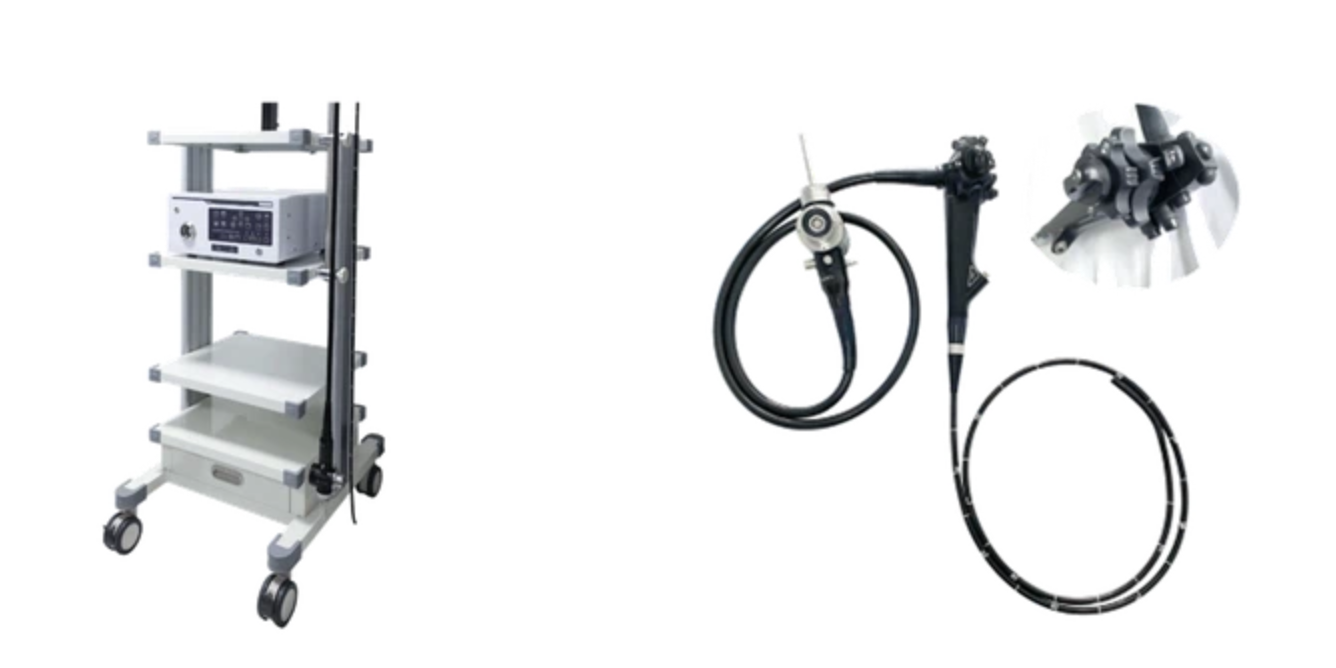
How to Choose Between Rigid and Flexible Endoscopes? Key Differences Every Procurement Buyer Should Understand
Rigid and flexible endoscopes are the two categories that veterinary endoscope buyers consult most frequently and find most difficult to choose between, as they differ significantly in their suitable applications and advantages/disadvantages.
- Rigid Endoscope
Mainly suitable for minimally invasive surgeries with rigid cavities such as laparoscopy, thoracoscopy, arthroscopy, and cystoscopy. Advantages: High image clarity, robust and durable design, lower maintenance costs; Disadvantages: Inflexible design, limited flexibility, and requires a certain level of surgical skill from the surgeon.
- Flexible Endoscope
Primarily designed for use in examinations and treatments of complex and curved cavities such as gastroscopy, colonoscopy, and the respiratory tract. Advantages: The flexible endoscope body conforms to the pet's physiological cavities, minimizing examination discomfort and offering excellent adaptability. Disadvantages: Higher initial purchase price, more prone to wear and tear, resulting in significantly higher maintenance costs compared to rigid endoscopes; it is also a major consumable component of endoscope equipment.
Endoscopic imaging systems are not necessarily better the higher the resolution.
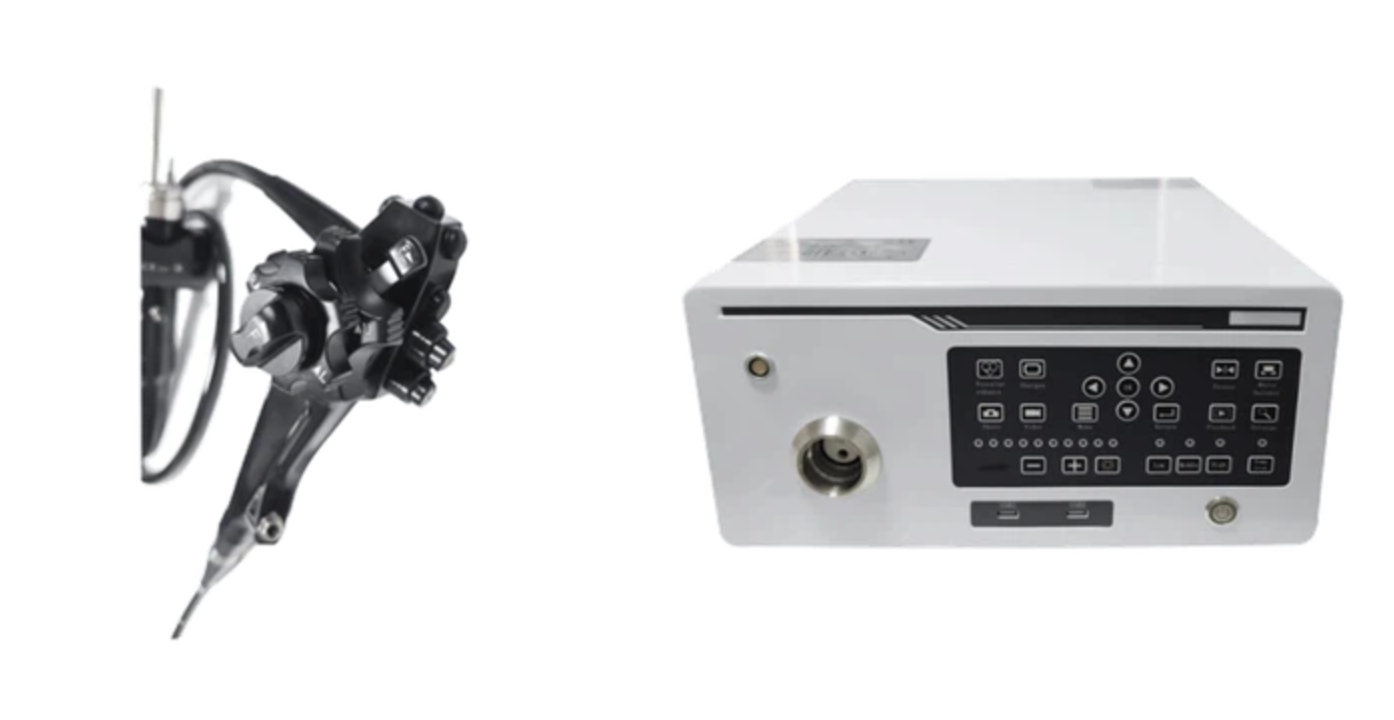
Many procurement professionals fall into the trap of focusing solely on specifications, blindly pursuing ultra-high resolution while ignoring actual clinical user experience. Judging the imaging quality of a veterinary endoscopy system requires more than just looking at the stated resolution; a comprehensive evaluation is needed, considering factors such as light source brightness, color reproduction, white balance stability, image latency control, and dynamic scene imaging performance.
Many low-priced devices, despite claiming high-definition (HD) specifications, often exhibit problems in clinical use such as yellowing images, blurred edges, uneven lighting distribution, and overheating during prolonged operation, severely impacting diagnostic judgment. Procurement selection must prioritize actual clinical imaging results, avoiding being misled by specifications on paper.
Key Details Easily Overlooked When Purchasing Veterinary Endoscopy Equipment
1. Post-Purchase Maintenance Costs: Many purchasers focus only on the initial purchase price, neglecting the maintenance costs of easily damaged parts such as flexible endoscopes, insertion tubes, bending components, and fiber optics. With high-frequency use, flexible endoscopes require frequent and expensive repairs, making long-term maintenance costs significant.
2. Parts Compatibility and Upgradeability: Some low-priced endoscopic systems have low initial investment, but poor compatibility with biopsy forceps and related instruments, and incompatible light sources and camera units, make replacement parts difficult and expansion limited. In the long run, this can be counterproductive.
3. Professional Operation Training and After-Sales Service: Even the best equipment is useless without skilled operators. Reputable suppliers provide professional operation training, online technical guidance, and lifetime after-sales support, helping medical teams quickly learn and maximize equipment utilization. This is an essential, albeit hidden, value factor that must be considered during procurement.
In summary, veterinary endoscopy equipment is an essential upgrade for pet hospitals.
Pet healthcare is rapidly evolving towards refinement, minimally invasive procedures, and precision. Veterinary endoscopes have long shed their "high-end luxury" label and become standard equipment in pet hospitals at all levels.
For buyers, blindly pursuing top-of-the-line configurations and high prices is unnecessary. The core principles are matching the hospital's positioning, adapting to its business needs, fitting its budget, and controlling long-term maintenance costs. Choosing the right veterinary endoscopy system can improve diagnostic and treatment efficiency, optimize the pet's healthcare experience, reduce long-term operating costs, help hospitals build a professional brand image, and capitalize on the growth opportunities in the pet healthcare industry.
If you would like to learn more about the product specifications, imaging system configurations, light source performance, compatible accessories, operating methods, or actual clinical applications of Veterinary Endoscopy Equipment, please feel free to contact us. We can provide you with professional equipment selection advice and customized solutions based on the different needs of animal hospitals, veterinary clinics, and minimally invasive surgery, helping you to conduct endoscopic diagnosis and minimally invasive treatment in animals more efficiently.
Send Inquiry