


How Often Should Veterinary Equipment Be Calibrated?
Aug 07, 2026
Leave a message
When purchasing veterinary equipment, most animal hospitals focus on factors such as brand, specifications, and price. However, after the equipment is installed and put into daily use, one equally important aspect is often overlooked-calibration.
In clinical practice, situations like these are not uncommon: a patient monitor displays normal oxygen saturation while the animal is actually becoming hypoxic; an infusion pump delivers fluids at a rate different from the programmed setting; or an anesthesia machine provides an oxygen concentration that doesn't match the selected value. In many cases, these problems are not caused by equipment failure but by the lack of regular calibration and preventive maintenance.
As a result, many veterinarians and hospital managers ask the same question: How Often Should Veterinary Equipment Be Calibrated?
The truth is that there is no single answer that applies to every device. Calibration intervals depend on the type of equipment, frequency of use, and clinical environment. However, industry experience consistently shows that establishing a routine calibration and maintenance program is far more effective than waiting until equipment problems occur.
Why Does Veterinary Equipment Need Regular Calibration?
Simply put, calibration ensures that medical equipment provides accurate and reliable measurements.
Over time, factors such as sensor aging, mechanical wear, environmental changes, and frequent transportation can gradually affect equipment accuracy.
For example:
- Blood pressure readings may drift higher or lower than the actual value.
- Oxygen saturation measurements may become inaccurate.
- An anesthesia machine may deliver incorrect anesthetic concentrations.
- Infusion pumps may develop flow rate deviations.
Although these errors may appear minor, they can significantly influence clinical decision-making, particularly during anesthesia or intensive care.
In veterinary medicine, many patients are small animals whose conditions can change rapidly, making precise monitoring even more critical.
Which Veterinary Equipment Requires Regular Calibration?
Animal hospitals use a wide variety of medical devices, but not all require the same calibration schedule.
The following categories deserve particular attention.
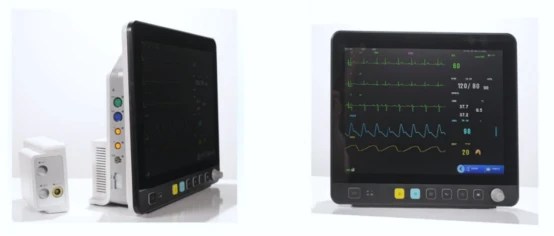
A Veterinary Patient Monitor is one of the most frequently used devices in operating rooms and intensive care units.
It typically monitors:
ECG
SpO₂ (oxygen saturation)
NIBP (non-invasive blood pressure)
Respiratory rate
Body temperature
If any of these parameters become inaccurate, veterinarians may make incorrect clinical decisions based on unreliable data.
As a general recommendation:
Perform a functional self-test every day before use.
Schedule professional calibration every 6–12 months.
Shorten the calibration interval if the monitor is used extensively every day.
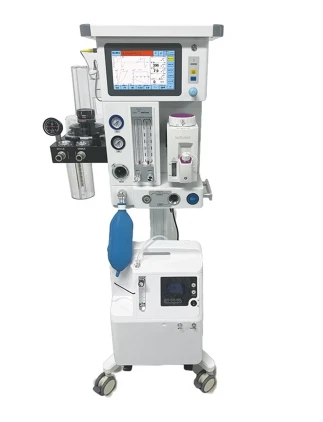
The accuracy of a Veterinary Anesthesia Machine directly affects anesthesia safety.
Routine inspection should include:
Oxygen flow accuracy
Vaporizer output concentration
Breathing circuit leak testing
Pressure system performance
Alarm functionality
Many manufacturers recommend comprehensive calibration at least once a year.
For hospitals performing surgeries daily, inspections every six months are often recommended, along with routine replacement of breathing circuit seals, filters, and other consumable components.
Although infusion pumps have a relatively simple design, prolonged use can affect flow accuracy.
This is especially important for:
- Intensive care patients
- Neonatal animals
- Small dogs and cats
- Long-term fluid therapy
Recommended maintenance includes:
- Annual flow-rate calibration
- Recalibration after major repairs
- Accuracy verification following accidental drops or impacts

Syringe pumps are commonly used for continuous administration of anesthetics, analgesics, and critical care medications.
Since these drugs are often delivered in very small doses, precise flow control is essential.
Most manufacturers recommend:
- Calibration every 6–12 months
- More frequent inspections for equipment used continuously in busy hospitals

Calibration Is More Than Simply Adjusting Numbers
Some people assume calibration only involves changing a few settings.
In reality, a complete calibration procedure typically includes:
- Accuracy verification
- Sensor performance testing
- Alarm system inspection
- Electrical safety testing
- Software verification
- Battery performance assessment
- Cleaning and preventive maintenance
- Replacement of worn components when necessary
In other words, calibration is much more like a comprehensive health check for medical equipment than a simple adjustment.
When Should Equipment Be Calibrated Earlier Than Scheduled?
Besides routine annual maintenance, certain situations require immediate inspection.
These include:
- After accidental drops
- Following long-distance transportation
- After extended periods of storage
- After replacing critical components
- When measurement results appear abnormal
- Whenever warning alarms occur unexpectedly
Even if the equipment appears to function normally, recalibration is recommended whenever these situations arise.
Daily Maintenance Also Affects Calibration Frequency
Many devices lose accuracy not because they have been used for a long time, but because routine maintenance has been neglected.
For example:
- Sensors are not cleaned regularly.
- SpO₂ probes become contaminated.
- Anesthesia machine filters become clogged.
- Breathing circuits develop leaks.
- Batteries are repeatedly over-discharged.
- These issues gradually reduce equipment performance.
A preventive maintenance program should typically include:
- Daily cleaning
- Weekly accessory inspections
- Monthly functional testing
- Quarterly preventive maintenance
- Annual professional calibration
Routine maintenance not only improves reliability but also extends equipment lifespan.
Establishing an Effective Equipment Management System
Many modern veterinary hospitals now maintain detailed equipment records for every device.
These records typically include:
- Purchase date
- Installation date
- Frequency of use
- Calibration history
- Maintenance records
- Repair history
- Scheduled next calibration
A well-organized equipment management system simplifies maintenance planning, supports quality assurance programs, and helps improve the hospital's overall clinical management.
Reliable Equipment Helps Reduce Maintenance Costs
In addition to proper maintenance, equipment quality itself plays a major role in long-term reliability.
For example, Topvetmed's Veterinary Patient Monitor, Veterinary Anesthesia Machine, infusion pumps, and other veterinary medical devices are designed for demanding clinical environments, offering stable performance, comprehensive alarm systems, and maintenance-friendly designs.
For veterinary hospitals, investing in reliable equipment with strong technical support can reduce equipment failures, minimize maintenance costs, and improve overall clinical efficiency.
Although the ideal calibration interval varies depending on the equipment, industry best practices generally recommend professional calibration every 6 to 12 months for frequently used veterinary equipment, combined with routine inspections and preventive maintenance to ensure optimal performance.
For today's veterinary hospitals, calibration is far more than a maintenance requirement-it is an essential part of ensuring diagnostic accuracy, improving anesthesia safety, and delivering high-quality patient care.
Whether it is a Veterinary Patient Monitor, a Veterinary Anesthesia Machine, an infusion pump, or any other critical medical device, implementing a structured calibration and maintenance program is one of the most effective ways to reduce clinical risks, improve operational efficiency, and strengthen the confidence of pet owners in your veterinary practice.
Send Inquiry