


The Origin And Development Of Veterinary Oxygen Concentrators
Feb 18, 2026
Leave a message
In modern veterinary clinical practice, respiratory support has become a crucial aspect of animal rescue and treatment. Whether it's acute illness, chronic respiratory problems, or the recovery process after surgery and anesthesia, a stable and controllable oxygen supply is directly related to the animal's life safety. Veterinary oxygen concentrators have gradually developed against this backdrop of ever-increasing medical needs, becoming an indispensable piece of professional equipment in pet hospitals and the animal husbandry industry.
The origin of veterinary oxygen concentrators
Oxygen generators were first used in human medicine, primarily for high-altitude hypoxic environments, respiratory diseases, and intensive care. With the development of veterinary medicine, veterinarians gradually discovered that many animals also experienced significant hypoxia during illness, such as pneumonia, bronchitis, heart disease, and respiratory depression caused by anesthesia.
Early, veterinarians typically relied on oxygen cylinders for oxygen supply. However, oxygen cylinders suffered from drawbacks such as large size, inconvenient transportation, high pressure risk, and high operating costs, making them unsuitable for frequent and long-term treatment needs. This reality spurred the gradual emergence of oxygen generators specifically designed for animal medical settings.
From oxygen cylinders to smart oxygen generators
With the maturation of molecular sieve oxygen generation technology, small-scale oxygen concentrators have begun to enter the medical field. The veterinary industry has drawn on the technical principles of human oxygen concentrators and optimized them for animal size differences, treatment environments, and operating habits, gradually forming the current veterinary oxygen concentrator system.
Modern veterinary oxygen concentrators are not only smaller and quieter, but also continuously upgraded in terms of safety, stability, and functional integration. They can achieve continuous oxygen supply, fine-tuned flow rate, and multiple alarm protections, greatly improving the safety and controllability of animal treatment.
The important role of veterinary oxygen concentrators in clinical practice
In veterinary hospitals, veterinary oxygen concentrators are widely used in the following scenarios:
- Respiratory diseases, such as lung infections and airway obstruction
- Tissue hypoxia caused by cardiovascular and cerebrovascular diseases
- Oxygen support during anesthesia and postoperative recovery
- Emergency treatment for carbon monoxide poisoning and sudden hypoxia
- Long-term adjunctive therapy for senior and critically ill pets
A stable oxygen supply can significantly reduce the risk of organ damage in animals, improve the success rate of treatment, and is also an important manifestation of the standardization of modern veterinary clinical practice
Based on current veterinary clinical needs, we recommend a high-performance portable oxygen generator, specifically designed for animal-assisted therapy.
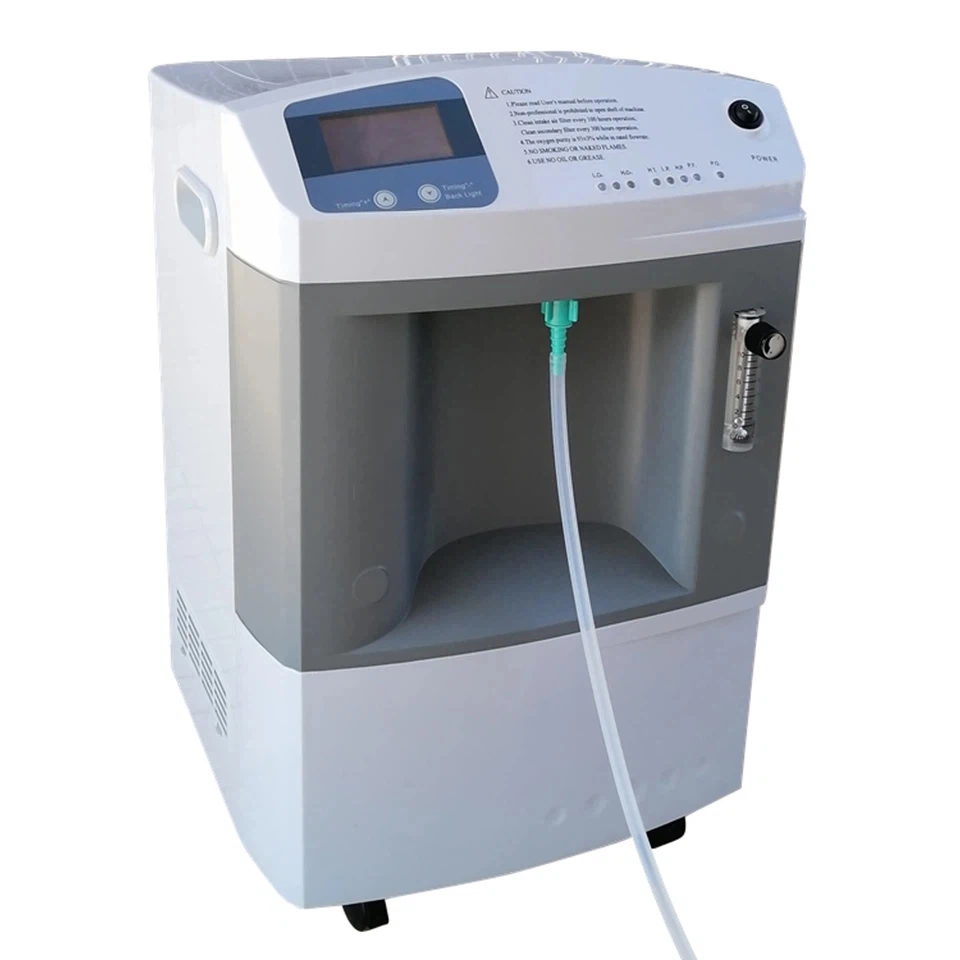
This product is equipped with an LCD screen that clearly displays key data such as pressure and running time, facilitating real-time monitoring of equipment status. Simultaneously, the device incorporates multiple alarm functions, including power failure, high pressure, and low pressure alarms, providing timely alerts in abnormal situations and effectively ensuring safe operation.
In terms of therapeutic applications, this oxygen concentrator can help address oxygen deficiency-related conditions such as respiratory diseases, cardiovascular and cerebrovascular diseases, and carbon monoxide poisoning, providing pets with stable and reliable respiratory support.
In addition, the device integrates several practical functions:
- Nebulizer function for convenient simultaneous respiratory therapy
- Dual flow adjustment design to meet the needs of different body types and conditions
- Fingertip pulse oximeter for real-time monitoring of blood oxygen saturation
- Oxygen purity monitoring and maintenance reminders: the device will automatically alarm when the oxygen concentration is below 82% or the operating time exceeds 3000 hours to ensure continuous and effective treatment
Its portable design makes it suitable for both veterinary hospitals and home care and emergency treatment, offering exceptional flexibility.
From the initial use of oxygen cylinders to today's intelligent devices integrating monitoring, alarms, and multiple functions, the development of veterinary oxygen concentrators is a microcosm of the continuous improvement in the specialization of animal healthcare. Choosing a safe, reliable, and fully functional veterinary oxygen concentrator not only reflects an improvement in medical standards but also provides strong protection for the health and lives of animals.

Send Inquiry